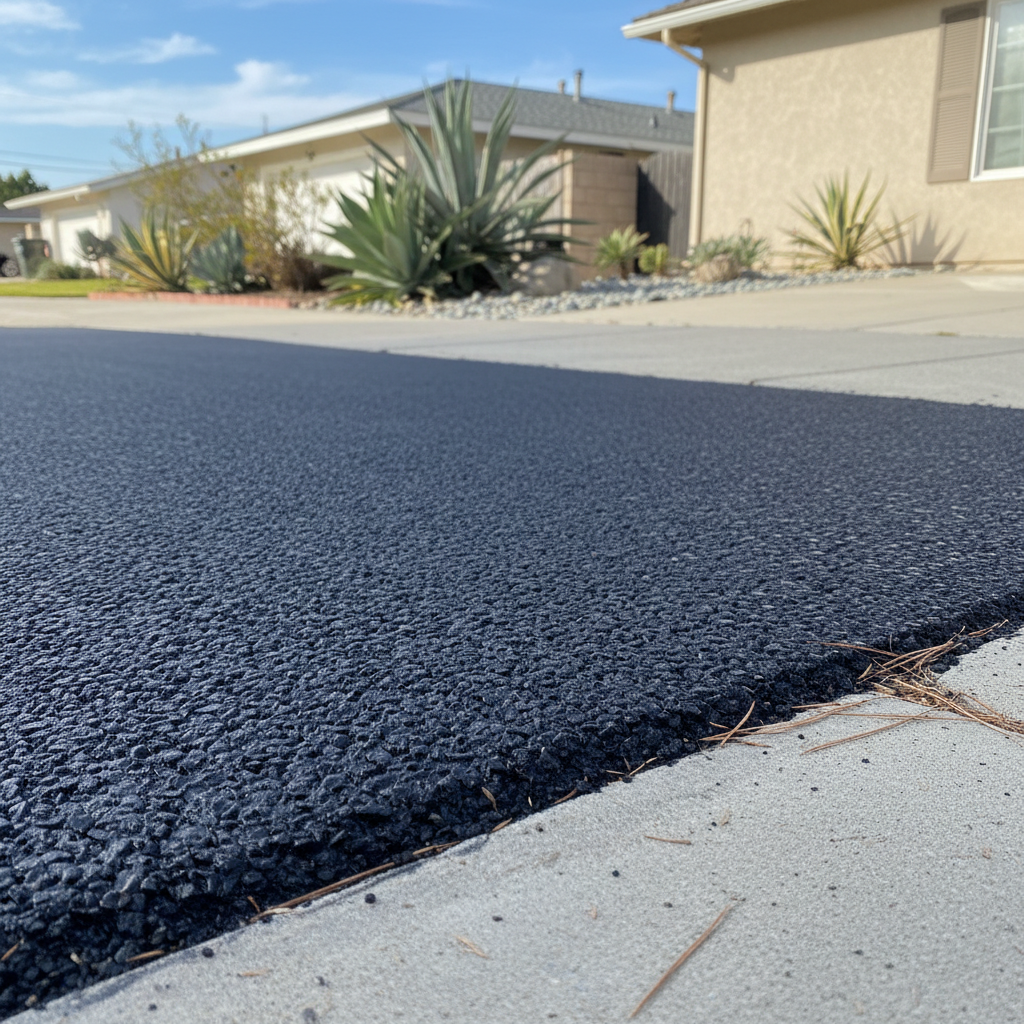
Alright, let's talk about your asphalt driveway. Maybe it's seen better days, or perhaps you're putting in a new one. As a homeowner, you're probably wondering what you can realistically do yourself and when it's time to call in a crew like mine at Oceanside Precision Asphalt. It's a fair question, and I'm here to give you the straight scoop.
Before You Even Think About Paving
Planning is probably the most important part of any paving project, big or small. You wouldn't just start digging a pool without a plan, right? The same goes for asphalt.
Assess the Damage (or Dream): First, walk your driveway. Are we talking about a few small cracks, or is it a patchwork quilt of potholes and crumbling edges? If it's just a few minor cracks, you might be able to handle some crack filling yourself with a good quality asphalt crack filler from the hardware store. But if you've got alligator cracking (you know, that pattern that looks like alligator skin), significant rutting, or large sections that are sinking, that's usually a sign of a deeper problem with the base. And that, my friend, is definitely pro territory.
Understand Your Base: This is huge. Asphalt is only as good as what's underneath it. Here in Oceanside, especially closer to the coast or in older neighborhoods like around the Loma Alta Creek, we can have some interesting soil conditions. If your base isn't stable, you'll get cracks and potholes no matter how good the asphalt is on top. For a new driveway or a full replacement, preparing a solid sub-base (compacted aggregate) is critical. This isn't a DIY job for most folks; it requires heavy equipment and know-how to ensure proper drainage and compaction.
Drainage, Drainage, Drainage: Water is asphalt's worst enemy. You need to think about where rainwater will go. Will it run off into your yard, into a drain, or pool up on your driveway? Proper grading and slope are essential to prevent water from sitting and seeping into the base. This is another area where professionals shine. We've got the tools and experience to make sure your driveway sheds water effectively, protecting your investment for years to come.
Permits: For new installations or significant expansions, you might need a permit from the City of Oceanside. Always check with the city's building department before you start any major work. Ignoring this can lead to fines and having to rip out work you've already done.
During the Project: What's Realistic for a Homeowner?
Okay, so you've assessed, planned, and maybe even decided to tackle a small part yourself. What can you actually do?
Minor Repairs: As I mentioned, small cracks (less than 1/2 inch wide) can often be filled by a homeowner. Clean out the crack thoroughly, apply a good quality sealant, and let it cure. For very small, isolated potholes, some homeowners try cold patch asphalt. It's a temporary fix, though, and rarely lasts as long or looks as good as a hot mix repair done by a pro.
Cleaning and Prep for Sealing: If you're planning to sealcoat (which you should do every few years to protect your asphalt), you can definitely handle the cleaning. Power washing the surface and making sure it's free of dirt, oil, and debris is a great way to save a few bucks. Just be careful not to damage the asphalt with too high a pressure.
Now, for the big stuff – laying new asphalt, doing a full-depth repair, or even a large overlay – that's where you absolutely need a professional. We're talking about specialized equipment like pavers, rollers, and dump trucks, not to mention the skill to work with hot asphalt, which sets quickly and needs to be laid perfectly. Trying to DIY a full paving job is like trying to build a house with a hammer and nails from Home Depot; it's just not going to happen right.
After the Paving: Maintaining Your Investment
Once the asphalt is down, whether it was a DIY patch or a full professional job from Oceanside Precision Asphalt, maintenance is key to making it last.
Curing Time: If you've had new asphalt laid, respect the curing time. We'll tell you exactly how long to stay off it – usually a few days for light traffic, longer for heavy vehicles. Driving on it too soon can create ruts and damage the fresh surface.
Keep it Clean: Regularly sweep or blow off debris. Leaves, dirt, and gravel can hold moisture and accelerate wear. Oil and gas spills should be cleaned up immediately, as they can break down the asphalt binder.
Sealcoating: This is your asphalt's sunscreen and raincoat. A good sealcoat every 2-3 years protects the surface from UV rays, water penetration, and oxidation. It's a job some homeowners tackle themselves for smaller driveways, but getting an even, consistent application can be tricky. If you're going to DIY, make sure you thoroughly clean the surface and apply it on a mild, dry day.
Monitor for Cracks: Keep an eye out for new cracks. Catching them early and filling them can prevent them from growing into bigger, more expensive problems. This is where your DIY crack filler skills come in handy.
Look, your driveway is a big part of your home's curb appeal and functionality. While there are small maintenance tasks you can definitely handle, for anything involving significant repair, base work, or new installation, calling in a local pro like us just makes sense. We've got the equipment, the experience, and the understanding of Oceanside's specific conditions to get the job done right, saving you headaches and money in the long run.