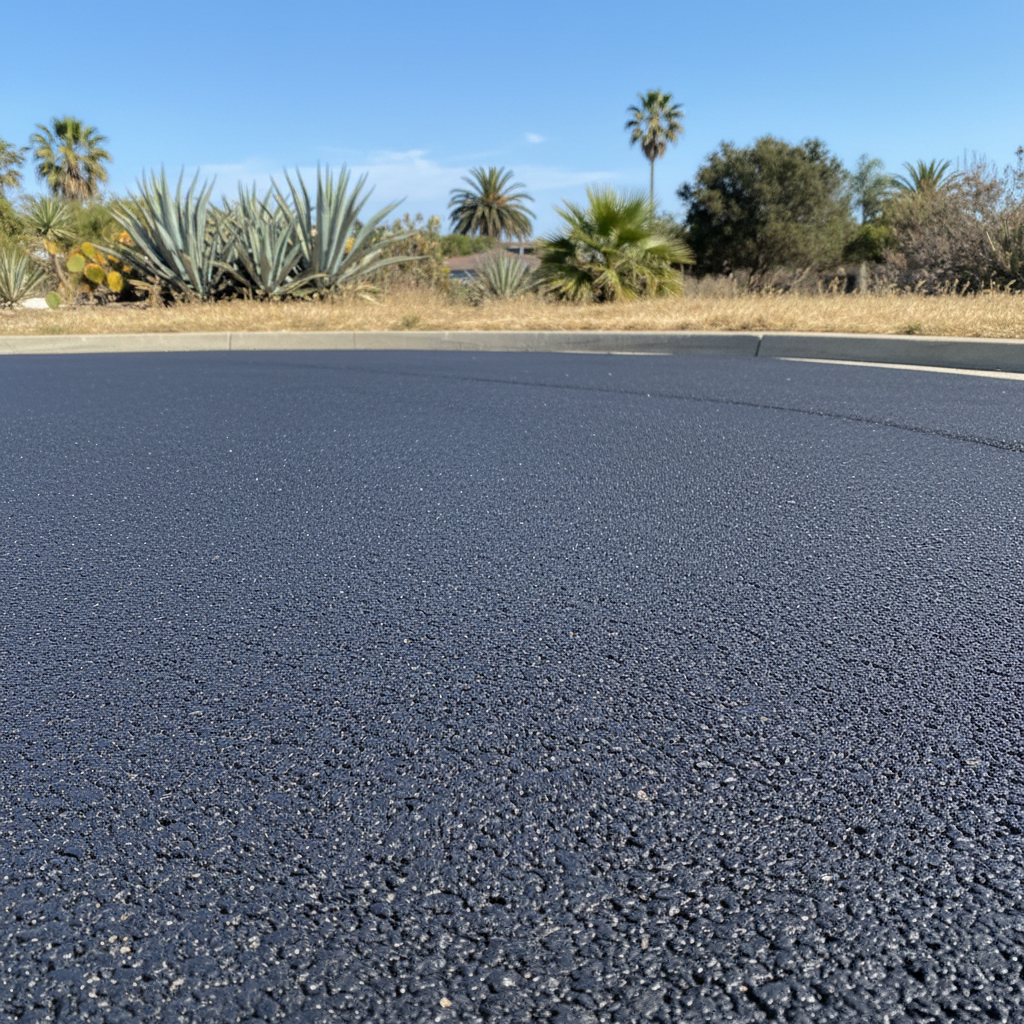
Thinking about paving your driveway, or maybe fixing up an old one? You've probably got a bunch of questions, right? That's totally normal! It's a big investment, so you want to get it right. I've been doing this for a long time here in Oceanside, and I hear the same things come up again and again. So, let's just cut to the chase and answer some of those common questions you've got rattling around.
What's the typical lifespan of an asphalt driveway here in Oceanside?
This is probably the most common question I get. And the answer, like most things, is: it depends. But generally speaking, a well-installed and properly maintained asphalt driveway in Oceanside can last anywhere from 15 to 25 years. That's a pretty wide range, isn't it? The biggest factors are the quality of the initial installation — and I'm talking about proper base preparation, compaction, and the right asphalt mix — and then how well you take care of it. Things like regular sealcoating every few years, fixing cracks when they're small, and not letting heavy vehicles sit on it for extended periods all play a huge role. Our coastal climate, with its mild winters and hot summers, can be pretty forgiving, but the sun's UV rays are still tough on asphalt. Also, if your house is up in the hills where we get more runoff during our rainy season, that extra water can definitely shorten its life if drainage isn't handled right. Something to keep in mind.
How much does a new asphalt driveway cost in Oceanside?
Another big one, and again, it's not a simple number. The cost of a new asphalt driveway varies a lot based on several factors. First, size matters — bigger driveways mean more material and labor. Second, what's the condition of the existing surface? Are we tearing out old concrete or asphalt, or are we just paving over a well-prepared dirt base? Tearing out and hauling away old material definitely adds to the cost. Third, accessibility. Is it easy for our equipment to get in and out, or is it a tight squeeze on a narrow street? Fourth, the thickness of the asphalt and the base material. A standard residential driveway might get 2-3 inches of asphalt over 4-6 inches of compacted aggregate base. If you've got heavy RVs or multiple vehicles, you might want a thicker, more robust design. Generally, you're looking at a few dollars per square foot, but that's just for the paving itself. Add in excavation, grading, base prep, and drainage solutions, and the price goes up. My best advice? Get a few detailed quotes from reputable local contractors. Don't just go for the cheapest bid; make sure you understand what's included and the quality of materials and work they're promising.
How long does it take to install a new asphalt driveway?
Most residential asphalt driveway installations, from start to finish, can be completed in 2-5 days. This isn't just paving time, mind you. Day one might be all about excavation and grading. Day two could be laying and compacting the base material. Then, the asphalt paving itself often happens in one day. But here's the kicker: you can't drive on it immediately. Fresh asphalt needs time to cure and harden. I usually tell homeowners to wait at least 2-3 days before driving on it, and a full week before parking heavy vehicles or turning your wheels sharply in one spot. The hotter it is, the longer it might take for it to fully set. We're often working in pretty warm conditions here in Oceanside, especially during summer, so patience is key. Rushing it can lead to ruts and damage that you definitely don't want.
What about drainage? Is that something I need to worry about?
Absolutely, 100% yes! Drainage is critical, and honestly, it's one of the most overlooked aspects of driveway paving. If water sits on or under your asphalt, it's going to cause problems — cracks, potholes, and a significantly shorter lifespan. We've got pretty varied terrain here, from flat coastal areas to steeper inland hills, and each presents its own drainage challenges. I always assess the natural slope of your property and where water currently flows. We might need to incorporate swales, French drains, or even a slight crown in the driveway itself to direct water away from your home's foundation and off the paving surface. Proper grading and compaction of the base also help prevent water from seeping underneath. Don't let any contractor tell you drainage isn't a big deal; it's fundamental to a lasting driveway.
Can I pave over my existing concrete driveway with asphalt?
Sometimes, but it's not always the best idea. Paving asphalt over concrete is called an overlay. It can be a cost-effective solution if your concrete driveway is in relatively good shape — meaning it's structurally sound, has minimal cracking, and no major heaving or settling. If the concrete is severely cracked, crumbling, or has significant elevation changes, those problems will eventually telegraph through the new asphalt layer. We'd need to address those issues first, which might involve patching, grinding, or even removing sections of the concrete. Also, you need to consider the height. Adding 2-3 inches of asphalt on top of concrete will raise the driveway's elevation, which could create issues with garage door clearance, sidewalks, or existing landscaping. It's a case-by-case decision, and I'd need to come out and take a look at your specific situation to give you an honest assessment.
What kind of maintenance does an asphalt driveway need?
Like I touched on earlier, maintenance is what makes your investment last. It's not a 'set it and forget it' kind of thing. Here's the basic rundown:
- Sealcoating: This is your asphalt's sunscreen and protective layer. I recommend getting it done every 2-4 years, depending on traffic and sun exposure. It replenishes the binders in the asphalt, protects against UV rays, and fills small surface cracks.
- Crack Repair: Don't wait for small cracks to become big potholes. As soon as you see them, get them filled. Water gets into cracks, freezes (not often here, but it can happen), expands, and widens them. Or, more commonly, it just erodes the base underneath.
- Cleaning: Keep your driveway free of oil, gas, and other chemical spills. These can break down the asphalt binders. A good sweep to remove debris and occasional washing can also help.
- Edge Care: The edges of your driveway are often the weakest points. Keep them clear of vegetation and make sure they're supported to prevent crumbling.
It's like anything else you own – a little regular care goes a long way. And when you need that care, or a fresh installation, that's what Oceanside Precision Asphalt is here for. We're your neighbors, after all.